Glaciers and Water Day: Why Perito Moreno Matters More Than Ever
The Glacier is One Hundred Percent Water
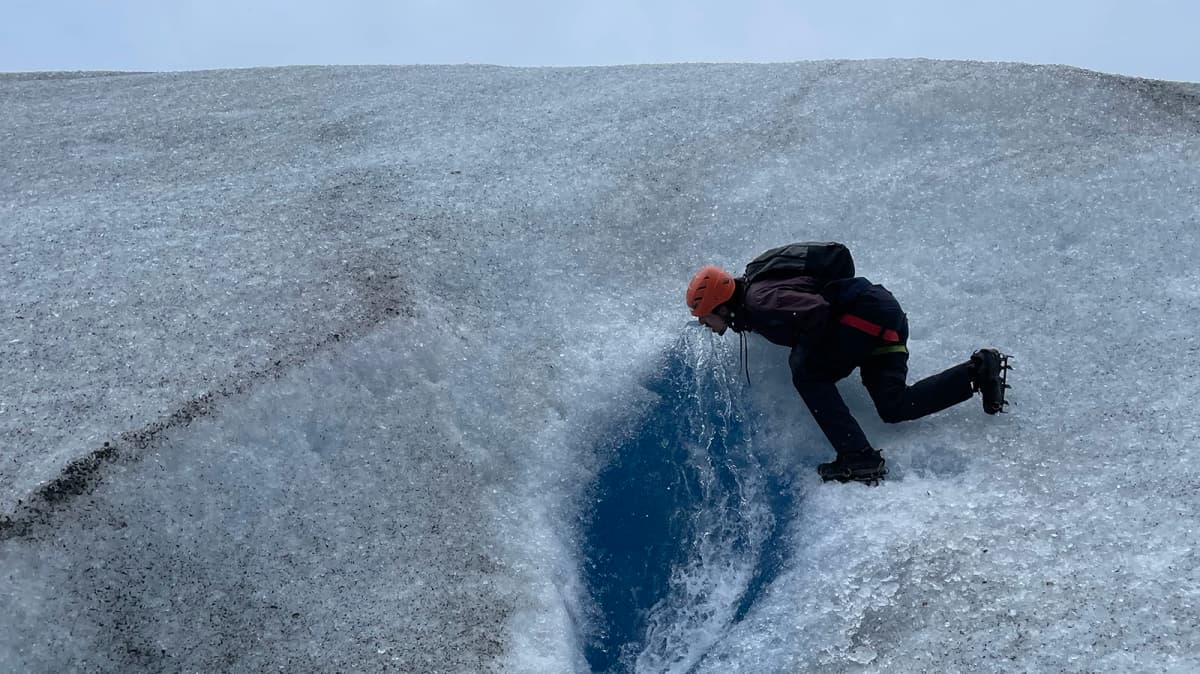
The human body is only sixty percent water. Blood is ninety, muscles seventy-five, the brain almost the same. The glacier is one hundred percent water: snow fallen over hundreds of years, compressed until it becomes translucent blue ice. An open-air mineral that doesn't need anyone to mine it to be found, requiring neither concession nor extraction.
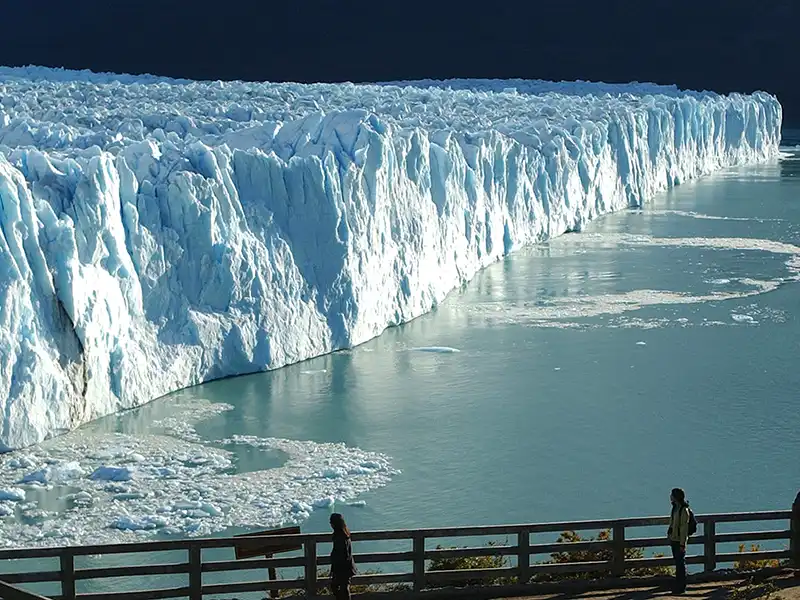
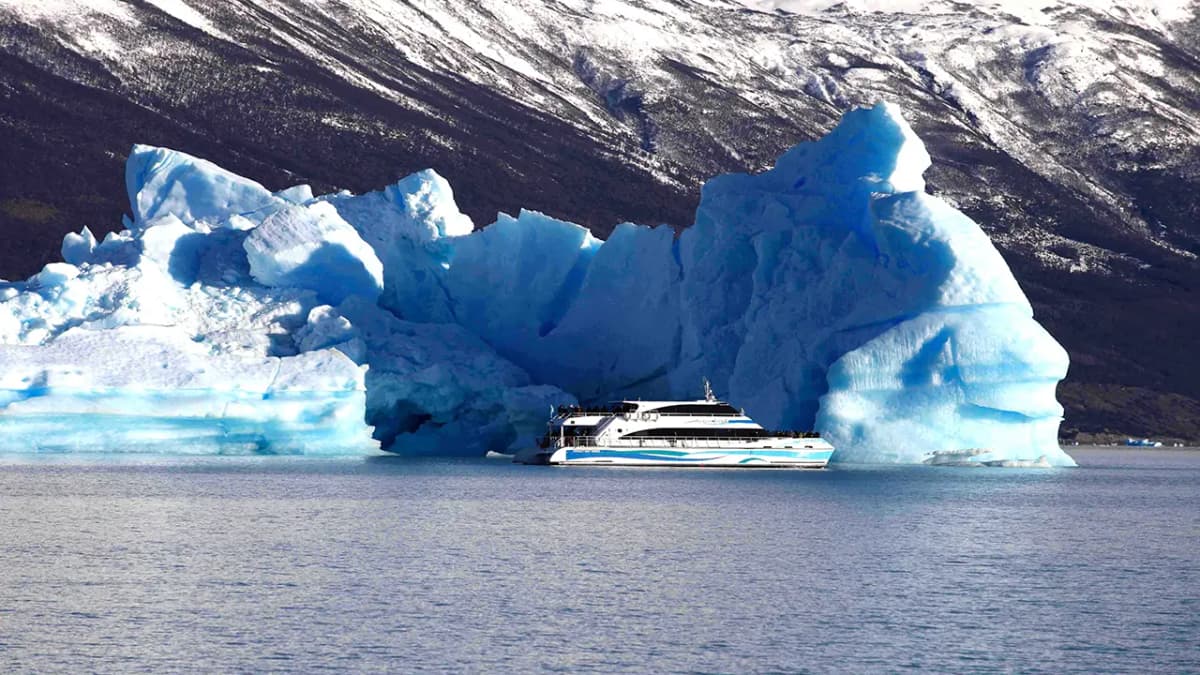
The ice wall of the Perito Moreno Glacier is seventy meters high above the water, practically the height of the Obelisco, and has a much larger mass submerged beneath the surface of Lago Argentino. Fifty blocks wide and 250 square kilometers in area, larger than the entire City of Buenos Aires. When we look from the walkways and a piece of that ice breaks off and falls into the lake, we feel even smaller.
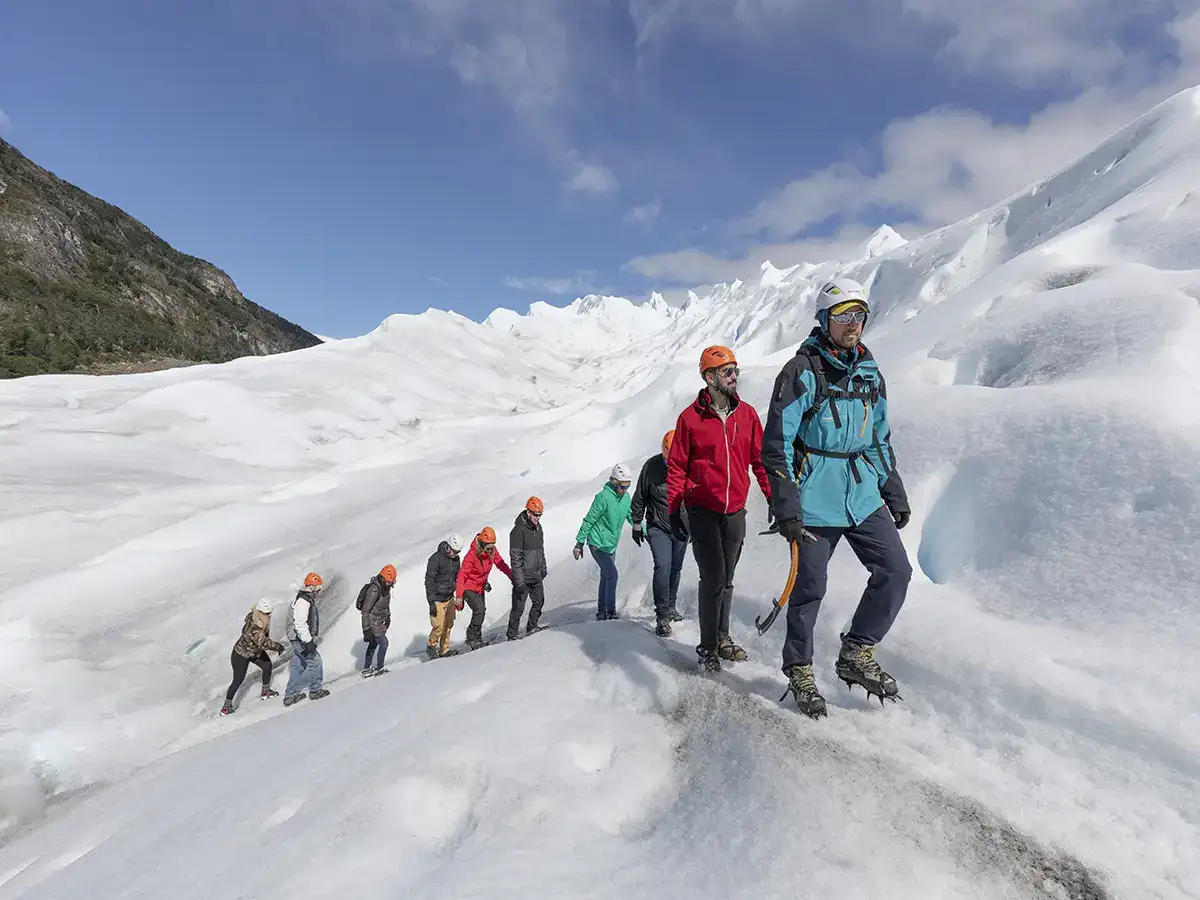
The Southern Patagonian Ice Field, of which Perito Moreno is just one part, is the third-largest freshwater reserve on the planet after the poles, and the only one of the three that you can reach on foot. That's why we love to take people to experience it: to grasp its scale and understand its importance.
The Southern Patagonian Ice Field covers approximately 12,000 km² between Argentina and Chile. More than 48 glaciers originate from it, including Perito Moreno, Upsala, and Viedma. It is the largest continental ice field in the world outside the poles.
Two Days, One Conversation
March 21st marks World Glacier Day. The 22nd, World Water Day. The UN placed them side-by-side because they speak of the same thing: glaciers store around 70% of the planet's freshwater. More than two billion people rely on glacier melt as a water source. One in four people on Earth.
It is estimated that one-third of current glaciers will have disappeared by 2050.
Perito Moreno in a Melting Planet
Most glaciers worldwide are retreating. Perito Moreno is not, or at least not at the same rate: it advances between one and two meters per day, loses mass at its lakefront, and the net result is a stability that glaciologists continue to study. It's a scientific rarity and, for those of us who live here, also a stroke of luck.
Neighboring glaciers tell a different story. Upsala, the largest glacier in the Southern Patagonian Ice Field on the Argentine side, has retreated more than four kilometers in recent decades. Spegazzini, Onelli. Perito Moreno is the exception; the others are the norm.
If after reading this you want to see it with your own eyes, our Perito Moreno Glacier guide has everything practical for visiting it: walkways, boat trips, tours, and updated prices.
The Law That Protects the Ice
In 2010, Argentina enacted the National Glacier Law. It declares glaciers and permafrost as public assets, prohibits extractive activities in glacial and periglacial zones, and establishes the National Glacier Inventory as a monitoring tool. It is one of the most comprehensive glacier protection legislations in the world.
For some years now, there has been pressure to modify it. The argument is economic: mining investment, high-altitude zones, projects that the law halts. The counter-argument is simpler: the water these glaciers guarantee has no replacement. Water scarcity is already an ongoing crisis in several regions of the planet, not a future scenario.
From El Calafate, this is not experienced as an abstract debate. It's a discussion about the place where we live and work.
If you want to know more about Law 26.639 and the proposed changes, you can read our full article on the Glacier Law in Argentina.
Frequently Asked Questions
Frequently asked questions about glaciers and freshwater
Resolvemos las dudas más comunes.