
What Clothes to Wear to Perito Moreno Glacier: Layering System + Real Temperatures + Common Mistakes
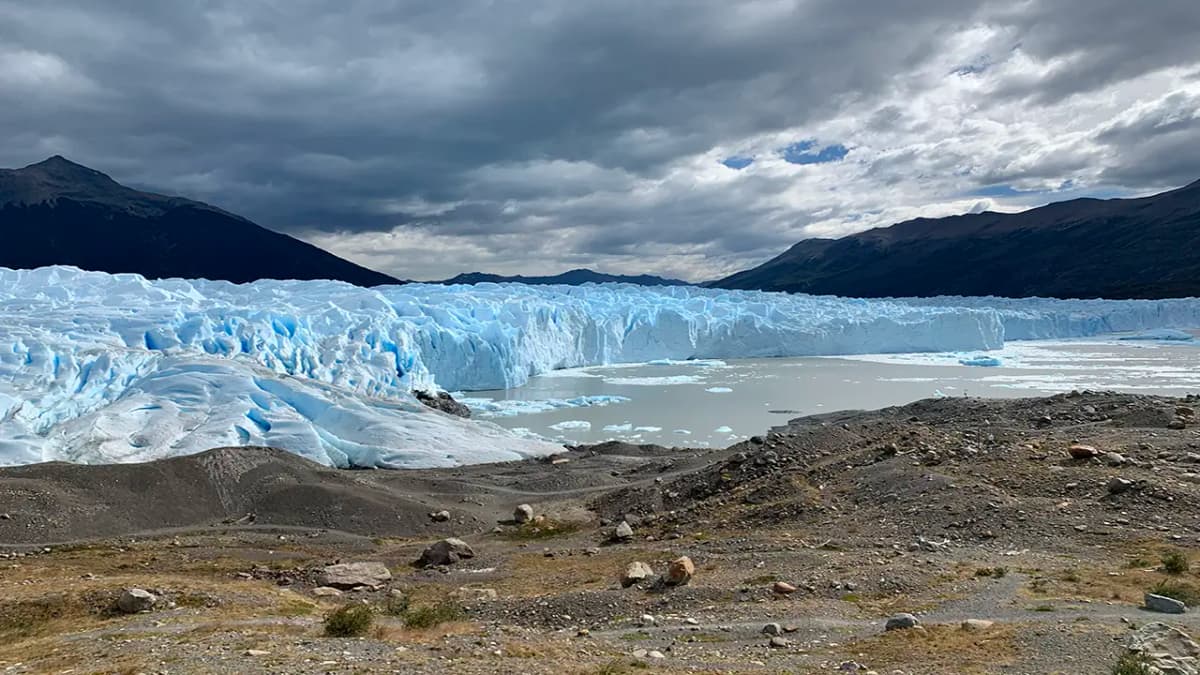
"Is it very cold at the glacier?" is the #1 question we receive. The short answer is: it depends on the wind, not so much on the temperature.
The secret to Patagonia isn't having the thickest jacket, but mastering the layering (onion) technique. In this article, we explain exactly what to wear, the most common mistakes that ruin a trip, where to rent equipment, and tips from our local guides.
Understanding El Calafate's Climate and Thermal Sensation
The climate in El Calafate is cold and dry almost all year round, with strong winds especially in spring and summer. The most important thing you need to know is that you can experience all four seasons in a single day.
Temperatures by Season (Actual Temperatures)
| Season | Period | Day | Night |
|---|---|---|---|
| Summer | December to March | 15°C to 25°C | Can drop to 5°C |
| Autumn | March to May | 5°C to 15°C | Below zero |
| Winter | June to August | -5°C to 5°C | Can reach -15°C |
| Spring | September to November | 5°C to 15°C | 0°C |
The clothes you need depend a lot on when you travel. Consult the best time to visit El Calafate to choose your ideal month.
CRITICAL FACT - THE PATAGONIAN WIND
The Patagonian wind can make the thermal sensation MUCH lower than the actual temperature. Concrete examples:
| Actual Temperature | Wind | Thermal Sensation |
|---|---|---|
| 10°C | 60 km/h | -5°C |
| 0°C | 70 km/h | -15°C |
| -5°C | 80 km/h | -25°C |
That's why wind protection is more important than warmth itself.
The Golden Rule: 3-Layer System
Forget about wearing a single bulky coat. You need versatility because the weather changes in 5 minutes.
1. Base Layer (Skin)
It should be synthetic or thermal.
- YES: Thermal shirt, dry-fit.
- NO: Cotton (if you sweat, it gets wet and cools you down).
2. Mid-Layer (Insulation)
This is what retains heat.
- Ideal: Fleece sweater or a thin wool sweater.
- Tip: If you're very sensitive to cold, a thin synthetic down jacket (like Uniqlo) works great here.
3. Outer Layer (Shell)
This is the most important layer in Patagonia. It must block the wind and withstand light rain.
- Essential: Windbreaker or waterproof/breathable jacket (Gore-Tex or similar).
- Common mistake: Wearing bulky ski jackets. They are too warm for walking the walkways and difficult to pack away if the sun comes out.
What Pants to Wear?
Pants are as important as the jacket. Avoid jeans at all costs.
- Recommended: Quick-drying, synthetic trekking pants.
- For cold days: Thermal leggings under your pants.
- NO: Jeans (cotton retains moisture, you'll get wet and be cold all day).
Footwear: The Foundation of Everything
Expert tip: "I've seen many people ruin their day by wearing canvas sneakers (like Converse). The walkway surfaces are metal grates and get cold, or there are puddles on the dirt trails. You need thick rubber soles." — Alberto, Calafate Tours Guide.
- Recommended: Waterproof trekking shoes or hiking boots.
- Socks: Trekking or wool/synthetic blend. Avoid cotton.
- Tip: Carry an extra pair of socks in your backpack.
Essential Accessories
- Sunglasses with UV protection (category 3-4): The reflection off the ice can harm your eyes, even if it's cloudy.
- Sunscreen factor 50+: Same as above. The Patagonian sun is very strong, and radiation doubles due to the reflection off the ice.
- Waterproof gloves: Essential for ice and boat trips.
- Neck gaiter (Buff): Better than a scarf that can blow away.
- Hat or cap: Depending on the season.
The Ideal Backpack
- Size: 20-30 liters is sufficient.
- Essential contents:
- Water bottle (1 liter minimum)
- Packed meal or snacks
- Extra insulating layer
- Sunscreen and sunglasses
- Documents (ID or passport)
- Waterproof bags for electronics
Specific Attire by Tour
Minitrekking and Big Ice - MANDATORY EQUIPMENT
Before packing, check what is included and the availability on the Minitrekking Perito Moreno tour page.
Not allowed:
- Regular sneakers or urban footwear
- Footwear without rigid soles (crampons will not adhere)
MANDATORY:
- Waterproof trekking boots (crampons are placed over them)
- MANDATORY waterproof gloves (the ice is wet)
- Trekking pants (NO jeans - risk of cold and dampness)
What the tour provides:
- Safety crampons
- Protective helmet
- Trekking poles
Boat Trips (Glaciers, Gourmet, Moreno Spirit)
COLDER THAN YOU EXPECT
- The wind on the water is VERY strong
- It's colder than on solid ground
- Many tourists are surprised
Solution: Bring more insulation than you think you'll need. A warmer jacket than for the walkways.
Torres del Paine and El Chaltén
- Similar or more variable weather than Calafate
- Hikes can be 5-12 km
- First, calculate your equipment for Calafate, then add one more layer
Common Mistakes That Ruin Your Trip
Mistake #1: Only bringing jeans
Why it's WRONG: Cotton retains moisture, gets wet easily, and takes hours to dry. You will be cold all day. Many tourists say "I got wet in the first hour and was cold all day".
What to do: Bring synthetic trekking pants or at least quick-drying athletic pants.
Statistic: 80% of tourists come with jeans and get cold unnecessarily.
Mistake #2: Not bringing a waterproof jacket "because it's not raining"
Why it's WRONG: In Patagonia, the weather changes in 15 minutes. It can be sunny, and half an hour later it might start raining or snowing. NO waterproof jacket = ruined tour.
What to do: ALWAYS carry a waterproof jacket in your backpack, even if the forecast says no rain.
Mistake #3: Wearing new footwear on the day of the tour
Why it's WRONG: New, un-broken-in footwear will cause painful blisters in the first few hours of walking. We have seen tourists who couldn't finish the tour because of this.
What to do: Wear footwear that is already comfortable and broken in to your foot. If you bought new boots, wear them for several days beforehand (at least 3-4 days).
Mistake #4: "One jacket is enough, it's not that cold anyway"
Why it's WRONG: The layering system is FUNDAMENTAL because it allows you to adapt to temperature changes throughout the day. Without layers, you would be:
- Overheated at midday
- Freezing in the morning and afternoon
What to do: Bring all THREE layers: base layer + insulation + waterproof shell.
Mistake #5: Not bringing gloves "because it's summer"
Why it's WRONG: Even in summer, mornings are cold (5-10°C), and boat trips are very cold due to the lake wind. Without gloves, you can't comfortably take photos.
What to do: Bring gloves all year round, even in summer. At least thin gloves.
Mistake #6: Forgetting sunglasses and sunscreen
Why it's WRONG: UV radiation is very intense in Patagonia (due to latitude and the ozone hole), and the reflection from ice/snow DOUBLES it. You can suffer from:
- Severe sunburn in 2-3 hours
- Permanent eye damage
- "Snow blindness" (temporary blindness from ice reflection)
What to do: ALWAYS bring sunglasses with high UV protection (category 3-4) and sunscreen factor 50+ (even on cloudy days).
Surprising fact: You can get more sunburnt in winter than in summer due to the reflection from ice and snow.
Mistake #7: Bringing a very large backpack or suitcases
Why it's WRONG: There's no space in the vehicles for large luggage. Furthermore, you'll be overloaded and tired.
What to do: A 20-30 liter backpack with your daily essentials. If you are in transit, leave your suitcases at the hotel.
Budget Guide: How Much to Invest in Technical Clothing?
If you are going to buy new equipment, here is an approximate budget (2025 prices in Argentine pesos):
Option 1: Basic Budget (Rent everything)
Recommended if it's your first time
| Item | Price |
|---|---|
| Full equipment rental | $5,000-$15,000 per day |
| TOTAL (2-3 tours) | $10,000-$45,000 |
Advantage: You don't have to carry a suitcase full of clothes, you can try different brands.
Option 2: Medium Investment (Buy the minimum)
| Item | Price |
|---|---|
| Trekking boots | $40,000-$60,000 |
| Waterproof jacket | $50,000-$80,000 |
| Trekking pants | $20,000-$40,000 |
| Thermal base layer (3 items) | $15,000-$30,000 each |
| Accessories (gloves, hat, buff, glasses) | $10,000-$25,000 |
| TOTAL | $150,000-$270,000 |
Option 3: Premium Investment (Quality equipment)
| Item | Price |
|---|---|
| Premium brand boots (Salomon, Merrell) | $60,000-$100,000 |
| Gore-Tex jacket (The North Face, Patagonia) | $80,000-$150,000 |
| Technical pants | $40,000-$70,000 |
| Merino wool thermal clothing (Smartwool) | $30,000-$50,000 each |
| Premium accessories | $30,000-$50,000 |
| TOTAL | $240,000-$420,000 |
Why invest in technical clothing?
- You'll use it multiple times if you return to Patagonia
- The difference in comfort and enjoyment is HUGE
- Technical clothing lasts 3+ years with good care
- It opens doors for other destinations (Bariloche, Torres del Paine, Ushuaia)
Tip: If it's your first time, rent. If you fall in love with Patagonia, then invest in quality equipment.
Where to Rent Clothes and Equipment in El Calafate
If you don't have all the necessary equipment, you can rent it in El Calafate:
LA BARRACA RENTAL CLOTHES OUTDOOR
Location: Amado Street 833, El Calafate
Phone: +54 2902 49-1999
What they rent:
- Waterproof trekking boots
- Waterproof trekking pants
- Technical jackets (waterproof, windproof)
- Thermal and waterproof gloves
- Hats and buffs
- Trekking poles
- Backpacks
Approximate prices: Between $5,000 and $15,000 per day depending on the equipment
Recommendation: Rent one day in advance to ensure you get your size and can try on the equipment comfortably.
Also in Ushuaia (if you're combining destinations)
Dr Snow Rental Ski Outdoor & Antarctic Gear
- Gobernador Deloqui 737, Ushuaia
- +54 2901 54-7669
Frequently Asked Questions about Clothing
Can I wear jeans?
It is not recommended. Jeans are made of cotton, and if they get wet, they stay damp all day. They are also uncomfortable for long walks. Use trekking pants instead.
Do I need special clothing for summer?
Yes. Even in the middle of summer, you need: a waterproof and windproof jacket, gloves (for mornings and boat trips), a hat or cap, and layered clothing. Patagonian summer is not like Buenos Aires summer. Temperatures are much cooler (5-25°C) and the wind is constant.
Are tours canceled due to rain or snow?
No, tours are NOT suspended due to moderate bad weather (normal rain or snow). Patagonia has changing weather, and tours are designed to operate in rain or snow. Cancellations ONLY occur for extreme safety reasons (winds over 100 km/h or very intense snowfalls). That's why it is SO important to bring waterproof clothing.
What should I do if I don't have trekking boots for Minitrekking?
Rent them at La Barraca Rental (Amado 833) one day in advance. Waterproof trekking boots are MANDATORY for Minitrekking and Big Ice. You cannot do the tour with regular sneakers for safety reasons.
Can I bring a large backpack?
No. Only medium backpacks of 20 to 30 liters are allowed. Do not bring suitcases as they take up space in the vehicles. If you are in transit, leave your luggage at the hotel (most have luggage storage service).
How important is waterproof clothing?
VERY IMPORTANT. Even if the forecast says it won't rain, in Patagonia, the weather changes in minutes. A good waterproof jacket can make the difference between enjoying the tour or having a miserable time.
Can I bring mate or food on the tour?
Yes. You can bring mate, food, and snacks without any problem. On most tours, there are shelters or stops where you can have lunch, but it's always good to bring your own packed meal. Mate is very welcome, and many guides also drink mate.
Tips from Our Local Guides
These are the tips our guides have learned after THOUSANDS of tours:
"80% of tourists come with jeans and get cold unnecessarily. The other 20% who come with technical clothing enjoy the experience much more and take better photos."
— Gonzalo, Lead Guide
"The Patagonian wind is unforgiving. A good windproof jacket makes more of a difference than three warm sweaters. If you only have a budget for one thing, make it the waterproof jacket."
— Alberto, Minitrekking Specialist Guide
"Always bring more warmth than you think you'll need. It's better to shed layers at noon than to be shivering at 8 in the morning."
— María, Excursion Coordinator
Why the Layering System Works
The advantage of the layering system is not just warmth, but FLEXIBILITY:
| Time | Situation | What to do |
|---|---|---|
| 8 AM | Cold morning | You wear all 3 layers |
| 12 PM | Strong sun | You take off the fleece, stay with base layer + waterproof shell |
| 3 PM | Strong wind | You put the fleece back on |
| 6 PM | Rain starts | Waterproof jacket protects you |
Without the layering system, you would be feeling HOT at midday or COLD in the afternoon. With layers, you are comfortable all day.
Packing Summary
| Item | Spring (Sep-Nov) | Summer (Oct-Mar) | Autumn (Mar-May) | Winter (Apr-Sep) |
|---|---|---|---|---|
| Jacket | Waterproof + light insulation | Light waterproof | Waterproof + insulation | Thick parka + Waterproof |
| Pants | Trekking + optional leggings | Quick-drying trekking | Trekking + thermal leggings | Trekking + Thermal leggings underneath |
| Footwear | Trekking boots/shoes | Trekking shoes | Waterproof boots | Waterproof boots |
| Headwear | Cap + hat in backpack | Visor cap | Wool hat | Wool hat |
| Gloves | Thin | Thin in backpack | Thermal | Thermal waterproof |
If you follow this guide, you will enjoy the glacier without thinking about the cold. See you on the trails!