
What is the Best Time to Visit El Calafate? | Real Data 2022-2025
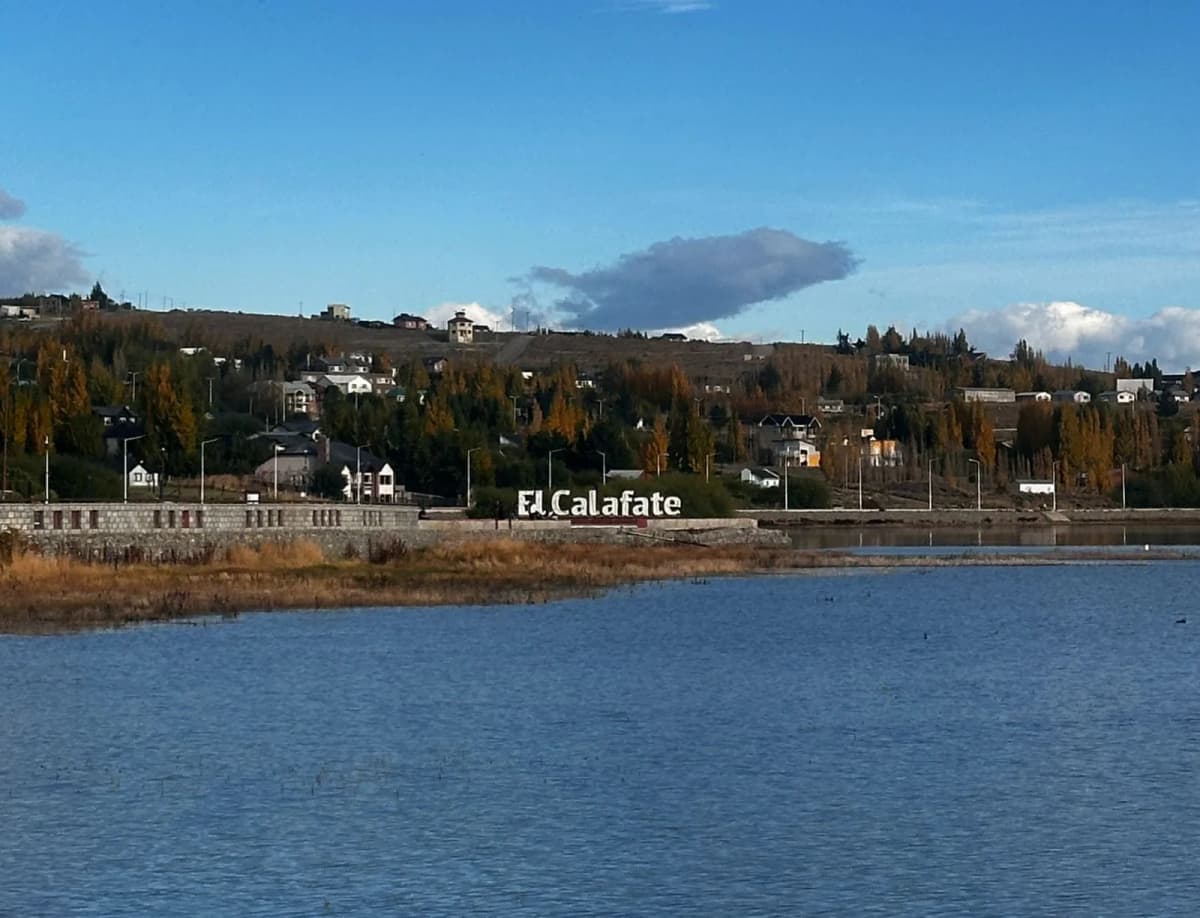
The best time to visit El Calafate depends on your priorities. Summer (December-March) offers stable weather and all activities available, but accounts for almost half of the annual demand. Autumn (April-May) balances good weather with prices similar to summer and less crowded conditions. Winter (June-August) is ideal for tight budgets with savings of up to 45% and intimate Perito Moreno Glacier experiences. Spring (September-November) is surprisingly the second busiest season of the year, with nature awakening and prices varying significantly month by month.
Real occupancy data in El Calafate
We analyzed over 25,000 confirmed bookings between 2022 and 2025 to truly understand when people travel and why:
Booking distribution by season
| Season | Percentage | Average Ticket | Difference vs Summer |
|---|---|---|---|
| Summer (Dec-Mar) | ~50% | ~$220,000 | Base (0%) |
| Spring (Sep-Nov) | ~33% | ~$300,000 | +35% ⬆️ |
| Autumn (Apr-May) | ~10% | ~$210,000 | -5% |
| Winter (Jun-Aug) | less than 10% | ~$120,000 | -45% ⬇️ |
Data: over 25,000 bookings and 30,000 passengers. Period 2022-2025.
What the numbers DON'T tell you
Summer is not only the most popular time: it is 5 times more in demand than winter. This means that:
- The chances of getting Minitrekking without advance booking in January are practically nil
- In July, you can decide to go to the glacier "tomorrow" and almost certainly find a spot
- The walkways in January have 4-5 times more people than in July
- Hotel, restaurant, and operator staff are at their limit in summer, relaxed in winter
Recommended booking anticipation
| Season | Recommended Anticipation | Reality |
|---|---|---|
| Summer | 25-35 days | Minitrekking fills up weeks in advance |
| Spring | 20-30 days | October-November have high demand |
| Autumn | 10-20 days | Good availability, but May starts to fill up |
| Winter | 5-10 days | Excellent availability, you can decide day by day |
Official occupancy data by season
Beyond our own bookings, official data from the El Calafate Municipal Tourism Office and National Parks (APN) confirms the seasonal pattern:
| Season | Months | Avg. hotel occupancy | Tourists/month (approx.) |
|---|---|---|---|
| High | January - February | 80-92% | 50,000-60,000 |
| High-Mid | Nov - Dec - March | 62-75% | 45,000-57,000 |
| Mid | April - October | 45-67% | 23,000-47,000 |
| Low | May - August | 27-52% | 13,000-22,000 |
A few official milestones to gauge demand:
- January 2024: all-time monthly record of 123,212 entries to the National Park and 84.79% hotel occupancy (4-5 star hotels at 93.28%).
- February 2020: the highest average occupancy on record, 86.86%.
- Low season (May-Aug): even in the lowest months the Park still receives ~20,000-29,000 monthly visits, with 40-52% occupancy.
For the full historical series (2007-2025) of passengers, Park entries and occupancy by category, see our El Calafate tourism statistics.
Summer in El Calafate (December to March)
Summer weather
Temperatures between 10°C and 20°C with peaks that can reach 25°C on exceptional days. Up to 17 hours of daylight in mid-December. It is the only season where you can go on early excursions (7 AM departures) and still have daylight until 11:00 PM.
About the wind: Contrary to what many believe, summer also has intense winds - especially January, which tends to be the windiest month of the year. The intensity varies between years, alternating between spring and summer, but in general, the Patagonian wind is present all year.
Available activities
Everything operates at maximum capacity. Minitrekking, Big Ice, boat navigations, horseback riding, 4x4 expeditions to Cerro Frías, and excursions to El Chaltén operate daily with multiple schedules.
Real sales data: Minitrekking is the most requested tour in summer, followed by Todo Glaciares. Of our more than 25,000 historical bookings, almost half correspond to summer - the absolute peak of our annual operation.
Real average price
~$220,000 ARS per person (average price considering all tours in summer season)
Advantages of summer
- More predictable and pleasant weather
- All activities and services available
- Ideal for families with children (school holidays)
- Maximum number of schedules and flexibility
- Long days (up to 17 hours of daylight)
Disadvantages of summer
- Concentrates almost 50% of the annual demand
- Lots of competition for spots - book 25-35 days in advance
- More crowded walkways (especially 10:00 AM-4:00 PM)
- Hotels and restaurants at full occupancy
- Standard prices (comparison base)
- Intense winds, especially in January
- February: The National Lake Festival (Fiesta Nacional del Lago) collapses hotel capacity and makes it difficult to explore the city and its surroundings
Autumn in El Calafate (April and May)
Autumn weather
Temperatures between 5°C and 15°C. The trees of El Calafate (especially ñires and lengas) turn yellow, orange, and red, creating unique landscapes you won't see at other times.
Patagonia's most underestimated season
Autumn accounts for only about 10% of our annual bookings, which means much calmer experiences than in summer with similar prices.
Real sales data: The consistent feedback from our autumn clients is: "I didn't expect it to be so beautiful at this time." The combination of autumn colors + glacier + few people creates a unique photographic experience.
Real average price
~$210,000 ARS per person (~5% less than summer)
Important insight: The savings on tours are not significant compared to summer, but the true value lies in:
- Hotels with better availability and flexibility to negotiate
- Uncrowded walkways
- More personalized attention in all services
Advantages of autumn
- Unique colors in the Patagonian forests (April especially)
- Only ~10% of annual demand - quiet experience
- Still relatively stable weather
- Most services are still operating
- Prices similar to summer but better supply/demand ratio
Disadvantages of autumn
- Shorter days (12-13 hours of daylight)
- Some excursions reduce frequency
- Cooler temperatures (you need good warm clothing)
- Some restaurants/services close early
- May is a transition month (some services close for maintenance)
Winter in El Calafate (June to August)
Winter weather
Temperatures between -2°C and 8°C. Occasional snow in town, almost guaranteed in the glacier area. Short days (8-9 hours of daylight), but with spectacular sunsets over the ice.
The most exclusive Perito Moreno experience
Real sales data: Less than 10% of our clients choose winter, but this group experiences the glacier in its most intimate state. Minitrekking groups are 10-15 people (vs 40-60 in summer).
Real average price
~$120,000 ARS per person (up to 45% less than summer)
The real winter savings are not just 45% on tours
Example of total savings (couple, 4 nights):
| Item | Summer | Winter | Savings |
|---|---|---|---|
| Hotel (4 nights) | $320,000 | $180,000 | $140,000 (44%) |
| Tours (2 people) | $440,000 | $241,000 | $199,000 (45%) |
| Flights (2 people) | $600,000 | $420,000 | $180,000 (30%) |
| TOTAL | $1,360,000 | $841,000 | $519,000 |
With $519,000 in savings, you can add 2 more nights + another tour.
Advantages of winter
- Huge savings: 45% on tours, up to 50% on hotels
- Less than 10% of annual demand - glacier almost to yourself
- Dramatic photos with winter light and snow
- Possibility of seeing the glacier completely covered in snow
- Total flexibility: decide what to do day by day
Disadvantages of winter
- Intense cold (requires adequate gear: -2°C to 8°C)
- Very short days (gets dark 5:30 PM-6:00 PM)
- Some tours reduce operations (check before traveling)
- Fewer flights and connectivity
- Many restaurants/services closed or with reduced hours
Spring in El Calafate (September to November)
Spring weather
Temperatures between 5°C and 18°C. October is the month when the glacier "speaks" the most - frequent calvings due to temperature changes between day and night. Winds are present but variable - intensity alternates between spring and summer depending on the year.
The surprise season: second most demanded of the year
Real sales data: Around a third of our bookings correspond to spring. This makes it the second most chosen season, largely surpassing autumn and winter. Why? Many travelers seek to avoid the summer peak but don't want the winter cold.
Real average price
~$300,000 ARS per person (~35% MORE EXPENSIVE than summer)
Important data: Spring is paradoxically the most expensive season on average, not due to the base prices of tours, but because:
- October-November have premium high season rates
- The best hotels raise prices anticipating summer
- Demand grows month by month (September cheap → November almost like January)
Advantages of spring
- Nature awakening (more active flora and fauna)
- Days progressively getting longer (12-15 hours of daylight)
- Intense glacier activity - frequent calvings
- September offers very good value for money
- Less crowded than summer but with good services
Disadvantages of spring
- Variable winds - some years more intense than summer, others less
- Unpredictable weather - you can have 18°C or 5°C on the same day
- Possible tour cancellations due to wind
- Prices increasing month by month (November = almost summer)
- Some services just opening in September
How much do prices actually vary between seasons?
Don't rely solely on published rates. These are real average prices our clients paid (considering all types of tours):
| Season | Average Price ARS | Difference vs Summer |
|---|---|---|
| Summer | ~$220,000 | Base (0%) |
| Autumn | ~$210,000 | ~-5% (similar) |
| Winter | ~$120,000 | ~-45% ⬇️ |
| Spring | ~$300,000 | ~+35% ⬆️ |
Data: over 25,000 confirmed bookings 2022-2025. General average ticket: ~$110,000 ARS per person
What these numbers reveal
- Autumn is not cheaper than summer for tours (only ~5% less), but it does have less demand
- Winter is REALLY cheap - almost half the price of summer
- Spring is surprisingly expensive - more than summer due to the combination of high season in October-November
- The general average ticket (~$110,000) is much lower than summer/spring because it includes many basic tours (not just Minitrekking)
Common mistakes by season
Mistakes in summer
- "I'll arrive and see" - With almost 50% of annual demand, if you don't book 25-30 days in advance, Minitrekking or Big Ice will be full
- Underestimating the wind - Although it's 18°C in town, on the walkways it can feel like 8°C with Patagonian wind
- Thinking that "there's room everywhere" - The best hotels fill up 2-3 months in advance
Mistakes in winter
- Not layering enough - The #1 mistake of our clients: "I thought one coat was enough." Read our clothing and weather guide to know exactly what to bring
- Not checking operations - Some tours reduce departures; verify before buying flights
- Planning too much in one day - With 8 hours of daylight, there's not enough time for Chaltén + Perito Moreno on the same day
Mistakes in spring
- Traveling without a Plan B - The wind can cancel tours any month; you need flexibility
- Trusting 7-day forecasts - Patagonian weather is unpredictable in spring
- Assuming low season prices - October-November have prices almost equal to summer
Mistakes in autumn
- Expecting "deals" - Prices are similar to summer (~5% less), the value is in fewer people
- Leaving everything for May - It's a transition month, many services close for maintenance
Local tips by season
Summer
- Arrive at the walkways before 9:30 AM or after 4:00 PM to avoid peak crowding
- Calafate berry ice cream (the fruit) is a must - try it at Acuarela ice cream parlor in the center
- Avoid February if you can: the National Lake Festival (Fiesta Nacional del Lago) saturates hotels and services
- Try Patagonian lamb and trout - typical dishes of the region available in all restaurants
- January-February: Calafate fruit season - try the filled chocolates, calafate liquor, and artisanal sweets that you can only get fresh at this time. We recommend Dulce Lugar, a pioneering artisanal chocolate shop in El Calafate
Autumn
- April is THE secret month for photos: autumn colors + glacier + few people
- Guanacos come down from the plateau when it starts snowing in the hills - easily seen in the ~50 km from the Route 11 junction to the city, and sometimes a lost one appears in El Calafate
- Ideal season for Patagonian lamb: hot dishes are enjoyed more with the crisp autumn air
Winter
- Ask for a window seat on the BA-Calafate flight to see snow-capped Fitz Roy and Cerro Torre
- Sunsets from Bahía Redonda (15 min from downtown) are spectacular with the glacier in the background
- Perfect time to enjoy spit-roasted lamb and Patagonian trout in local restaurants
Spring
- Bring a proper windbreaker - not a fashionable one (applies to any season)
- November is the only month where you see condors + migratory birds simultaneously
Top 3 best-selling tours
Based on our real sales data:
- Minitrekking with transfer - The most demanded tour
- Todo Glaciares with transfers - Complete experience
- Perito Moreno Glacier walkways - Ideal for those who prefer to contemplate without walking on the ice
Frequently asked questions
When is it cheapest to travel to El Calafate?
June, July, and August are the most economical months (45% savings on tours). However, the "best value" considering weather + price + experience is usually April (autumn colors, few people, prices similar to summer) or September (nature awakening, low prices, but with wind).
Which season has the best weather?
January and February have the most stable weather, with pleasant temperatures (10-20°C) and a low probability of rain or extreme wind. December and March are also excellent but with greater temperature range.
When are there fewer people?
Winter (June-August) accounts for less than 10% of our annual demand. The Perito Moreno walkways can be almost empty compared to summer. It’s literally 5 times fewer people than in January.
Can you do Minitrekking in winter?
Yes, it operates year-round. In winter, groups are smaller (10-15 people vs 40-60 in summer) and it is recommended to book 5-7 days in advance. The experience is more intimate and photographic, but requires adequate cold-weather gear.
Is it worth traveling in October/November?
Yes, but with nuances. October-November accounts for about a third of our demand (second most chosen season). October has variable weather but a lot of glacier activity. November has better weather but increasing prices (~35% vs summer on seasonal average). If you choose spring, October offers better value than November.
For a first-time visit to El Calafate, what do you recommend?
February or March offer the best balance for first-timers: stable weather, all activities available, and you’re still in summer. If your budget is limited, July is the smartest option (45% savings), but check which tours operate before buying flights.
How far in advance should I book?
Based on over 25,000 bookings:
- Summer (Dec-Mar): 25-35 days minimum (almost 50% of annual demand)
- Spring (Sep-Nov): 20-30 days (~33% of demand - second most popular)
- Autumn (Apr-May): 10-20 days (~10% of demand)
- Winter (Jun-Aug): 5-10 days (less than 10% - maximum flexibility)
Conclusion: What is YOUR best time?
There is no universal answer. The best time depends on your profile:
| Your Profile | Best Time | Why |
|---|---|---|
| First time in Patagonia | February-March | Stable weather, everything available, complete experience without the January peak |
| Limited budget | July | Real savings of 45% on tours + up to 50% on hotels |
| Photographer/content creator | April | Unique autumn colors + only ~10% of annual demand |
| Family with children | January-February | School holidays, predictable weather, all activities |
| Looking for authenticity without crowds | April or July | Autumn has ~10% of demand, winter less than 10% - intimate experiences |
| Flexible adventurer | October | Nature awakening, active glacier, but strong winds |
| Want the best regardless of price | February | Best weather, best availability, best overall experience |
The most important fact of all
Almost 90% of our clients DO NOT travel in winter or autumn. If you are willing to adapt to the cold or shorter days, you will experience Perito Moreno in its most authentic state, without the crowds that characterize summer and spring.
Have you decided when to travel? Plan your trip with our perfect 3-day itinerary in El Calafate.
Ready to book your tour? Contact us via WhatsApp and we'll help you choose the best date according to your profile and availability.